2026/06/10
I once watched an operator on a high-speed sheeting line tap the HMI to advance the sheet count and then freeze. The knife had jammed mid-cycle, and the entire stack from the previous four hours showed a gradual length drift that quality control had missed. The culprit wasn’t a failed servo drive or a cracked blade—it was a partially clogged vacuum port that had been slowly altering sheet tail control all morning. A 90‑second visual check at the start of the shift would have flagged it.
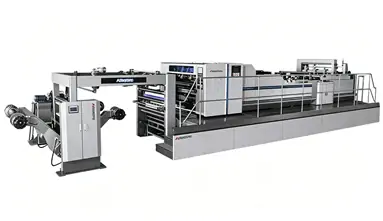
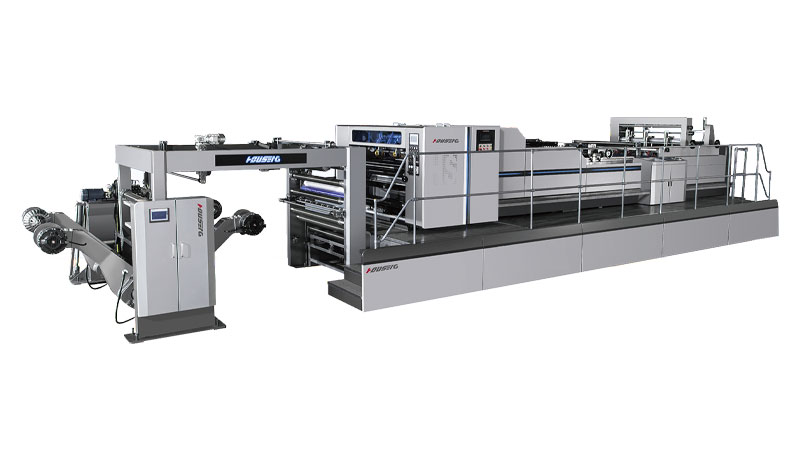
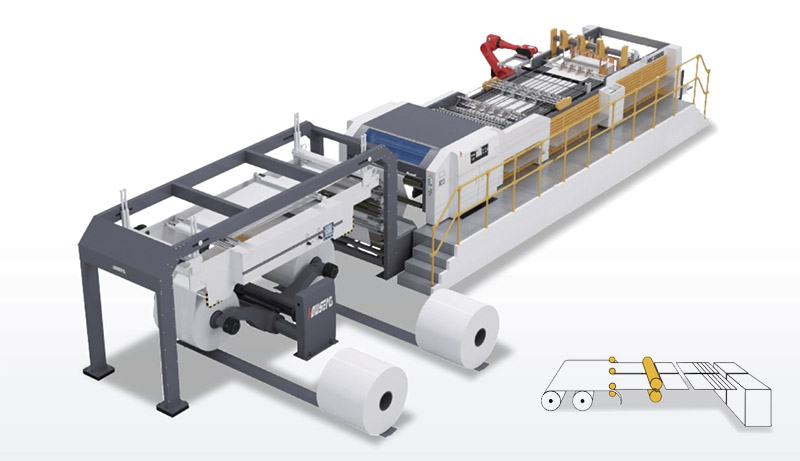
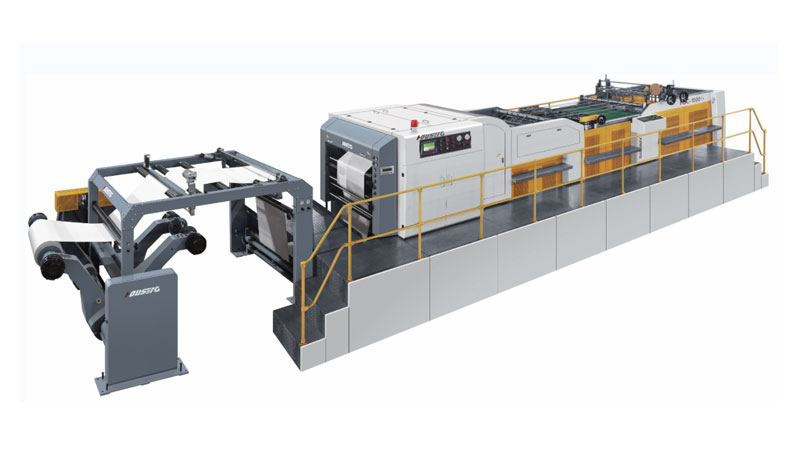
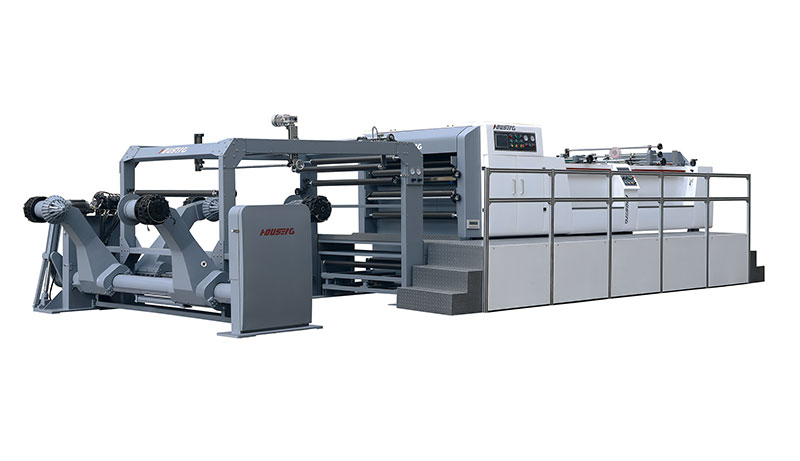
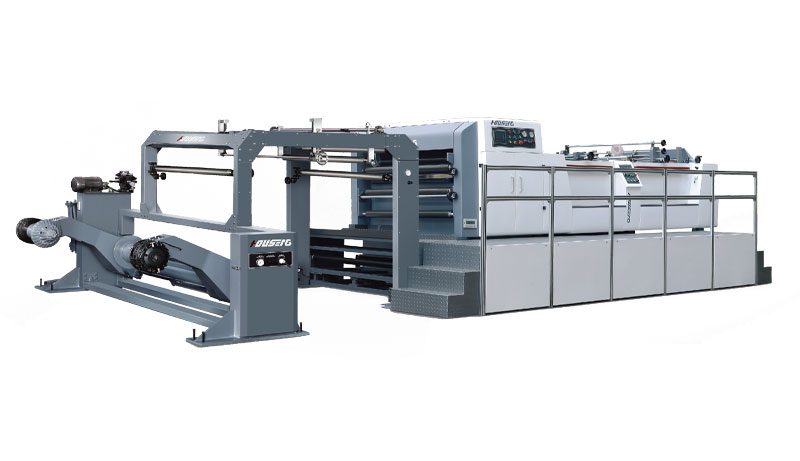
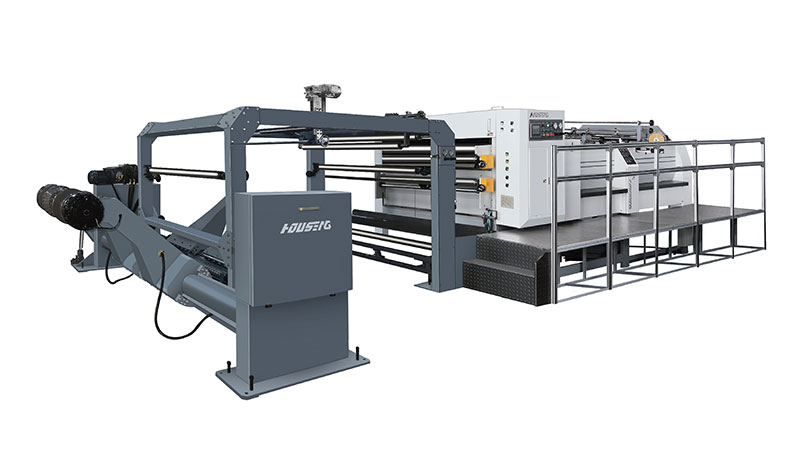
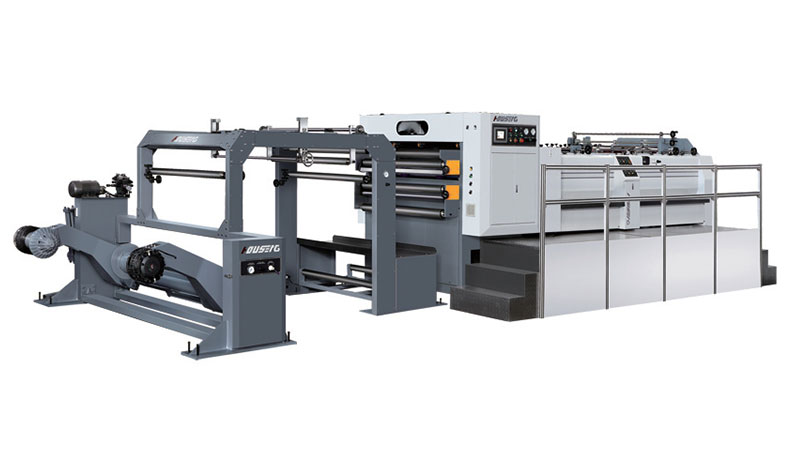
On a Servo-Driven Single Spiral Sheet Cutting Machine, where a single rotary knife can run at up to 400 cuts per minute, the gap between a smooth shift and an emergency call is often no wider than a handful of overlooked wear points. The daily checks that follow are built around the specific weaknesses of the single‑knife, spiral‑cut design—the pinch points where heat, dust, and cyclic loads converge. They aren’t generic; they’re the ones that operators and maintenance technicians on converting floors actually rely on.
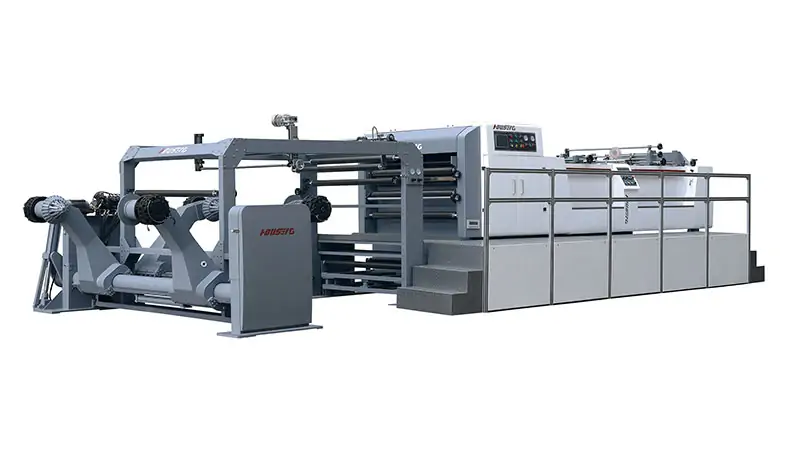
Before You Even Thread the Web: The 5‑Minute Stationary Inspection
Start with the machine locked out. These checks look for conditions that cause problems six or eight hours later, when the line is running at full speed.
1. Check the knife holder pocket for debris.
Use a flashlight and a dental‑style inspection mirror. A tiny chip of paper embedded in the knife pocket will cock the blade by a few microns, and the resulting high‑frequency hammering during the cut can propagate a fracture in the carbide edge within a single shift. Run a gloved finger along the pocket floor—if you feel anything other than smooth steel, stone it away before inserting a new blade. This is the single most common root cause of blade failure I’ve seen when investigating why a blade lasted only half its normal life.
2. Verify the anvil drum surface with a hand‑held durometer.
A Shore A reading that has drifted more than 5 points from the baseline since the last measurement tells you the polyurethane sleeve is stiffening or softening from heat cycles. A hard anvil transfers excess shock into the knife edge; a soft one allows the blade to bottom out, dulling the tip. If you don’t have a durometer baseline, take one today and log it. In six months, that number will be more valuable than a dozen blade‑change records.
3. Inspect the outfeed vacuum ports and scrap extraction path.
Pull the vacuum gauge reading at the manifold and compare it to the machine’s commissioning value. A drop of more than 10% usually points to a partial blockage at the port closest to the knife drum, which will cause short‑sheet errors on lightweight grades. While you’re there, clear the trim removal chute; a jammed scrap blower can back up into the cutting zone and damage the outfeed nip in seconds.
After Startup: Dynamic Checks That Catch Early Drift
Once the machine is warm and running a production roll, use the next five minutes to listen and look at four things that static checks can’t expose.
The rhythm of the knife engagement. On a single‑knife spiral sheeter, the cut should produce a clean, quick “snap” that repeats evenly. A double‑click or a hammering sound at one specific point in the rotation tells you the cam follower clearance has opened up, or a gib has backed off. Operators who run this type of machine every day develop an ear for it—when one of them tells you “it sounded different today,” take it seriously.
The temperature of the knife‑drive gearbox. With an infrared thermometer, shoot the gearbox housing at the same spot each morning. A temperature that runs 10°C above the rolling weekly average often means the oil level is low, the breather is plugged, or the oil film is breaking down. Addressing it now prevents a gear‑mesh failure that would put the machine out for weeks. If you’re working with a Servo-Driven Single-Spiral Sheet Cutting Machine, many of these monitoring points are deliberately placed within easy reach, so there’s no excuse not to take the reading.
Sheet length repeatability across 20 consecutive cuts. Instead of measuring every sheet during a production run, pull a sample string of 20 sheets, measure every one, and look at the standard deviation. A healthy sheeter running board stock up to 350 gsm should hold ±0.3 mm. If the spread is creeping toward ±0.5 mm, the cause is rarely the servo loop—it’s mechanical backlash, a slipping timing pulley, or a worn encoder coupling insert. That last one is a $60 part that can generate hundreds of dollars in scrap per shift if ignored.
Edge‑guiding stability. Watch the web edge as it passes through the guiding sensor. If the actuator is chasing rather than holding, wipe the sensor lens with a dry microfiber cloth. Paper dust on the lens is responsible for roughly one in three intermittent width variation complaints I’ve encountered.
The Five Common Shortcuts That Undo a Good Checklist
Even when operators follow a checklist, these five habits sabotage the results:
-
Changing the blade without stoning the pocket. We already covered it, but it bears repeating. A 0.02 mm burr in the pocket translates to a 0.04 mm tilt at the knife tip—enough to halve blade life on coated board.
-
Using compressed air near the knife drum. The blast forces paper dust and adhesive residue deep into bearing seals. Vacuum, don’t blow.
-
Adjusting the knife timing to compensate for a dull blade. Retarding the registration to “push through” dullness changes sheet length on every cut and masks the real wear until scrap rates spike.
-
Lubricating on a fixed calendar, not on cycle count. A machine making 3 million cuts a month needs a different interval than one making 800,000. If your PLC or servo drive tracks cycle count, use that to trigger lubrication tasks. For example, a high‑precision single‑knife spiral cutting solution with embedded run‑length counters can feed that data directly into a CMMS, eliminating guesswork.
-
Ignoring the gearbox breather. A plugged breather pressurises the housing, forcing oil past lip seals. If you find oil mist around the output shaft, replace the breather before you replace the seal—it’s a two‑minute fix.
Turning Daily Checks Into Predictive Decisions
The checklist above is your first line of defence. To move from reactive to predictive, add one more habit: write down the three numbers that matter most—blade life in linear meters, anvil durometer, and gearbox temperature. After three months, you’ll see trends that tell you which bearings to order before the holiday shutdown and when to schedule a blade regrind without disrupting a single shift.
Machines that make this data easy to access change the maintenance culture of an entire plant. When operators can see the relationship between the morning temperature reading and the afternoon cut‑quality report, they stop seeing inspections as busywork and start treating them as the control loop they are. Haosheng’s servo‑driven single spiral sheeter design reflects this mindset, with accessible diagnostic ports and transparent feedback that make condition‑based maintenance practical for mid‑sized converters, not just the industry giants.
A Servo-Driven Single Spiral Sheet Cutting Machine is a precise, productive piece of equipment. But precision fades quietly—through a dirty sensor lens, a hardened anvil sleeve, or a burr in a knife pocket. The daily checks described here won’t catch every failure mode, but they will intercept the 80% that stem from neglect of basic mechanical hygiene. Print the checklist, laminate it, and clip it to the control panel. When the next unplanned stoppage doesn’t happen, you’ll know why.
Disclaimer: The checks and intervals described are general industry practice. Always follow the specific maintenance instructions and safety procedures provided by your equipment manufacturer.