2026/06/04
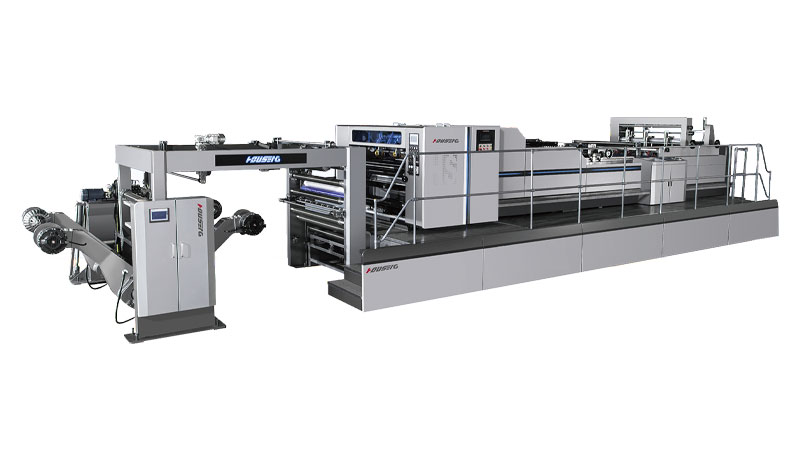
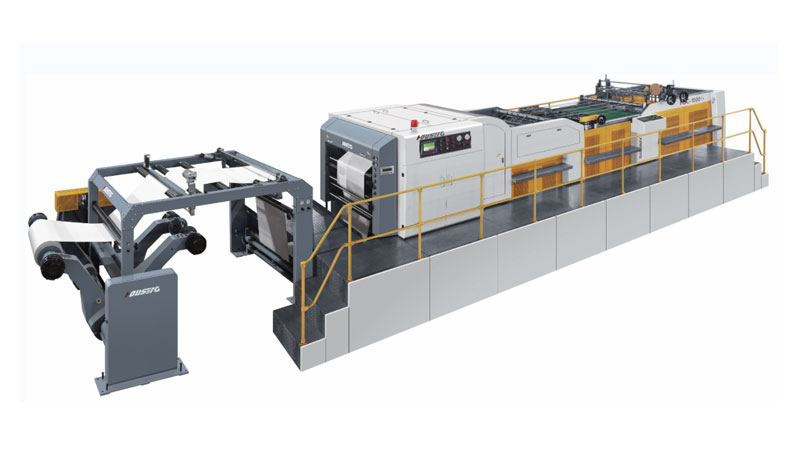
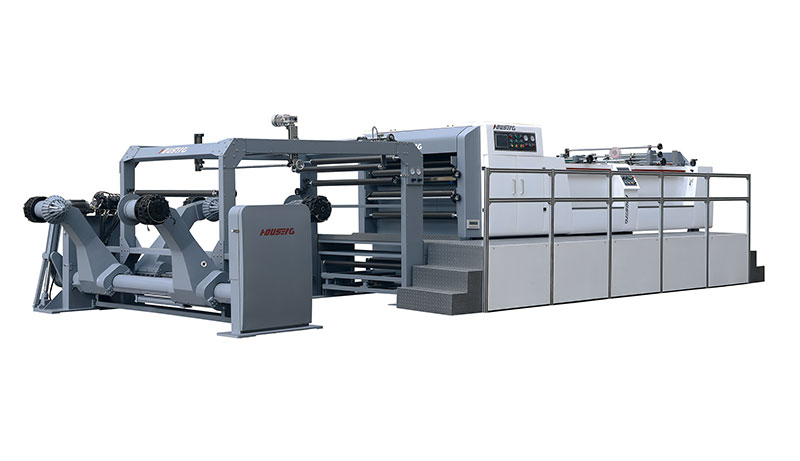
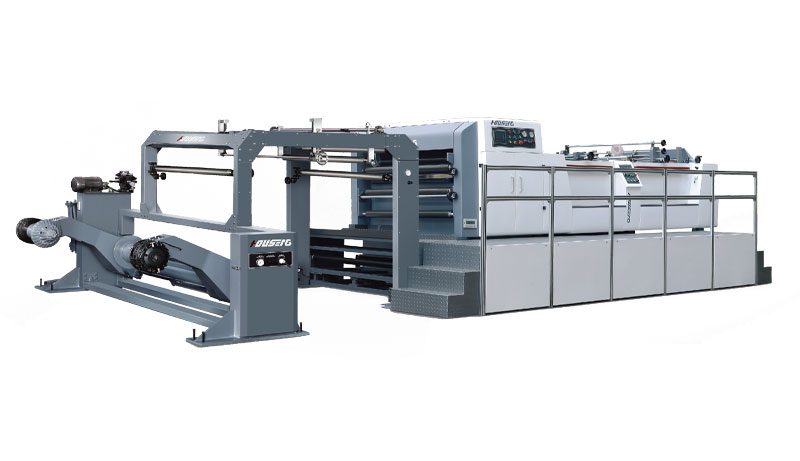
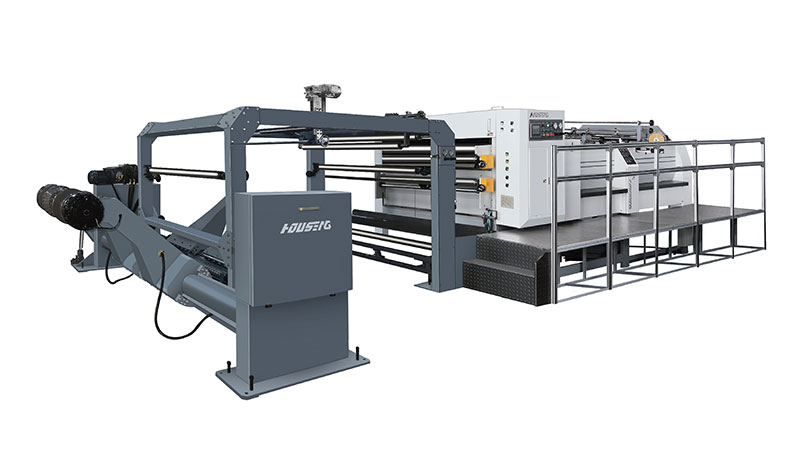
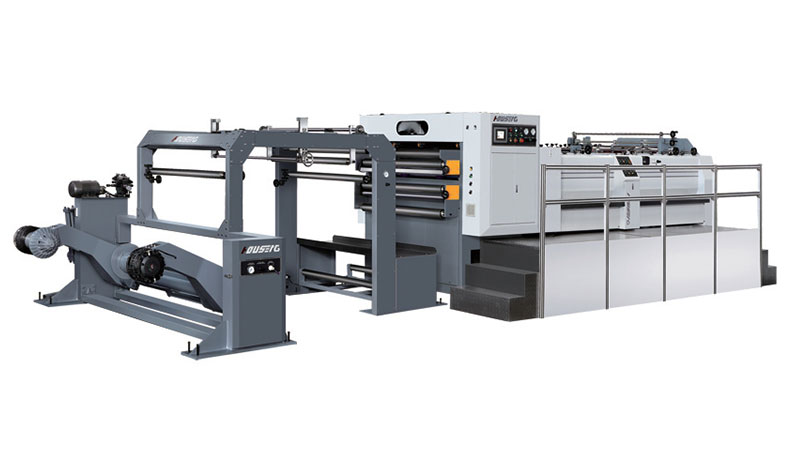
A sudden drop in cut quality or an unplanned stoppage on a sheet converting line is one of the fastest ways to erode a week’s margin. Walking the floor, I’ve often heard operators say “the blade was still sharp, so I don’t understand why dimensions drifted.” What that tells me is that maintenance stops at the blade, while the deeper contributors—runout, asynchronous roller speeds, and sensor drift—quietly wear down the whole system. For those managing an Intelligent Double Rotary Sheeter in a high-mix environment, keeping up with these hidden variables is the only way to reliably hit the 10-year service life that a well-built machine can deliver.
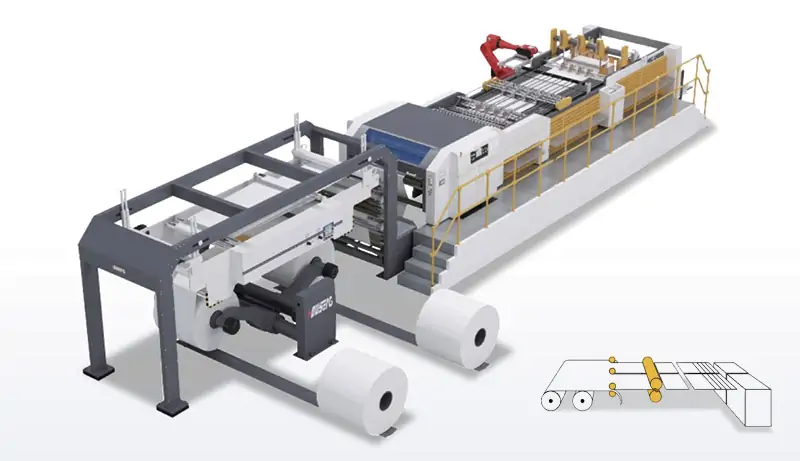
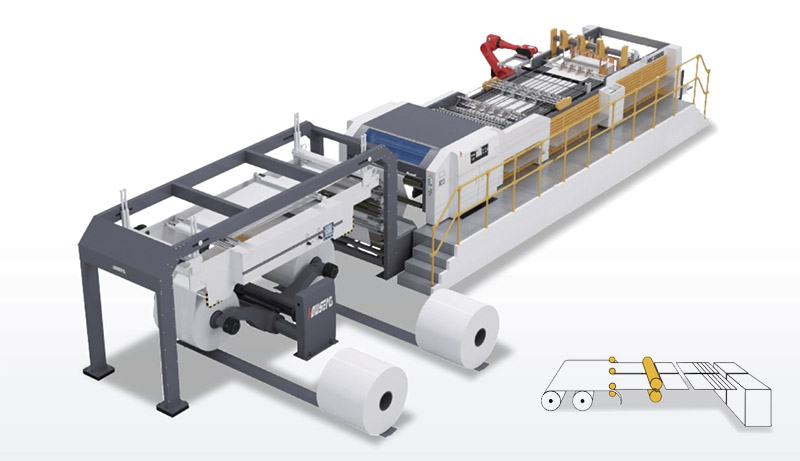
Think of your cutting station not as a single piece of iron, but as a precisely timed orchestra. When the feed roller, the rotary knife cylinder, and the outfeed conveyor are out of sync by even a few milliseconds, you start seeing burrs, dog-eared corners, or length inconsistencies on lightweight films and thin paper. The maintenance approach that truly prolongs equipment life goes beyond blade changes—it builds a discipline around four pillars that any converting team can adopt.
Pillar 1: Cleanliness and Lubrication—More Than a Wipe-Down
Dust from paper fibers and slip agents from film accumulate inside the cutting zone, forming an abrasive paste that accelerates wear on linear guides and bearing housings. A best practice adapted from high-volume print shops is to vacuum the web path and the knife drum area every shift, then use a lint-free cloth with a manufacturer-specified solvent on the anvil surface. Avoid compressed air near the knife drum; it pushes debris into seals instead of removing it. When it comes to lubrication, follow the greasing map in your manual. A common mistake is overlubricating the rotary knife bearings. Excess grease can churn, overheat, and break down the polymer cage in precision spindle bearings. Stick to a metered, time-based schedule—many maintenance engineers I’ve talked to use an automatic lubricator set to a few cubic centimetres every 200 operating hours to avoid guesswork.
Pillar 2: Blade and Anvil Drum Discipline
A dull blade is visible; a worn anvil drum is invisible until cut quality tanks. Measure the anvil’s surface hardness with a durometer at three points across its width every month. A drop of more than 5 Shore A from the baseline means the polyurethane sleeve is no longer providing a uniform cutting counter-force, and you’ll soon see inconsistent through-cuts or lifted labels. Blade grinding should be done on a surface grinder that holds parallelism to within ±0.005 mm, and always mark the blade after grinding to track how much life remains. When swapping blades, check that the knife holder pockets are free of chipped metal; even a tiny residual fragment will offset the blade height and create a nick on the new blade within the first thousand cycles. Understanding the dynamic balance and materials of the cutting module helps avoid such hidden damage. Manufacturers’ ultra-high-precision rotary cutting configurations often detail tolerance stacking and recommended inspection intervals that let you plan regrinds before quality drifts.
Pillar 3: Sensor and Electronics Calibration
A large portion of late-life failures in sheet cutting lines originate not from mechanical fatigue, but from signal drift in registration sensors or servo drive feedback. Ambient temperature swings of 10°C in a plant can cause a photo-eye to shift its trigger point by fractions of a millimetre—enough to produce short sheets on thin PET. Once a quarter, run a calibration coupon through the machine while monitoring the timestamp of each cut trigger in the controller’s oscilloscope view. The registration pulse and the physical cut mark should stay within the tolerance specified by the machine builder; if you’re repeatedly trimming offset values in the HMI, a deeper calibration is overdue. Even an Intelligent Double Rotary Sheeter with automatic alerts needs manual verification—no sensor can self-detect a contaminated lens, which is the root cause in about 20% of phantom registration errors I’ve witnessed on site.
Common Misconceptions That Shorten Machine Life
• “Keeping the knife cylinder always engaged saves wear from start-stop.” Actually, idle rotation of the blade drum against the anvil without material produces needless friction and heat cycles on the anvil cover.
• “Tighter nip pressure equals straighter sheets.” Over-nipping deforms roller coatings, leading to steering issues that increase lateral drift. Nip pressure should be set wide enough for the substrate caliper plus a small increment specified for the roll covering.
• “Maintenance can be calendar-based only.” Cycle count is far more representative of actual wear. A machine running 3 million cuts per month needs a much shorter interval than one running 800,000 cuts. For anyone looking to move beyond rigid schedules, exploring a modular rotary sheeting system designed with embedded run-length counters can help integrate real-time usage data into your CMMS.
Turning Maintenance into an Advantage
Operators who log cut force trends and bearing temperatures weekly can spot a failing component 200 operating hours before it triggers an alarm. If you already collect vibration data on the knife gearbox, focus on the gear mesh frequency sidebands. A growing sideband amplitude often signals tooth wear on a pinion that can be replaced during a planned window rather than under emergency conditions. Pairing that data with a machine that has accessible diagnostic ports and clear feedback loops lowers the barrier for condition-based maintenance significantly. For those wanting to adopt this approach, Haosheng’s precision rotary sheeting technology provides sensor-ready architecture and maintenance-friendly tooling access that supports the transition from reactive to predictive workflows.
The principles outlined here apply whether you run a standard sheet line or an Intelligent Double Rotary Sheeter. Discipline around cleaning, anvil and blade tracking, sensor verification, and data-driven intervals forms a maintenance culture that extends equipment life far beyond the average. If your goal is to continuously reduce the cost-per-cut and keep throughput predictable, investing a few extra minutes each shift into these areas will pay back more than any quick-fix blade change ever could.
Disclaimer: This article provides general maintenance guidelines based on industry observation and practice. Always adhere to the specific operating and safety instructions provided by your machinery manufacturer.