2026/06/29
A precision sheeting line that runs at 500 cuts per minute and holds a cutting accuracy of ±0.15 mm does not stay in that condition by accident. The double rotary knife, the servo‑driven infeed, the full‑width mesh belt, and the static control system all operate at the edge of their mechanical capability during every shift. When maintenance is deferred, the first sign is often a gradual loss of accuracy – a sheet that measures 0.3 mm long, then 0.5 mm, then visible skew – or a rise in paper dust around the knife section that signals a dulling blade. By the time the operator notices the defect, the machine has already been producing sub‑standard sheets for an unknown period.
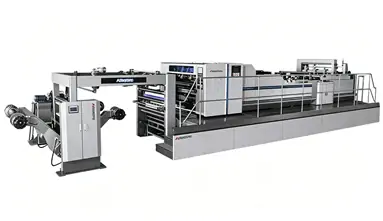
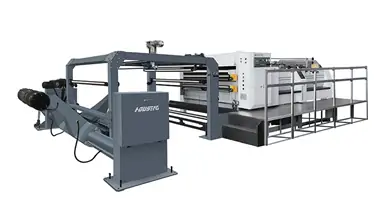
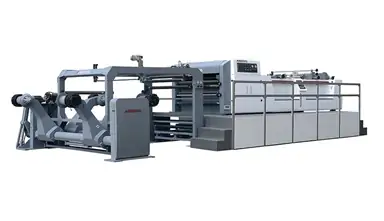
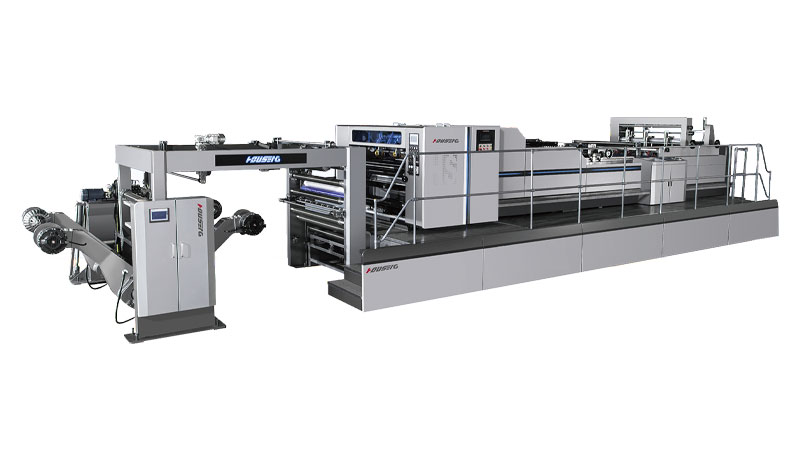
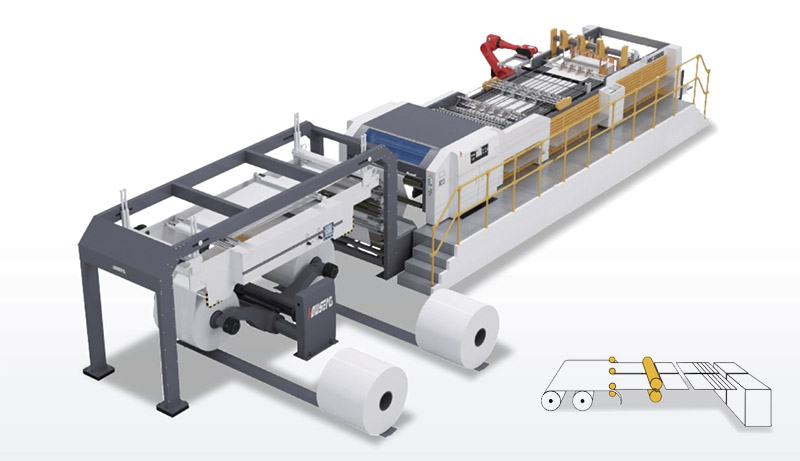
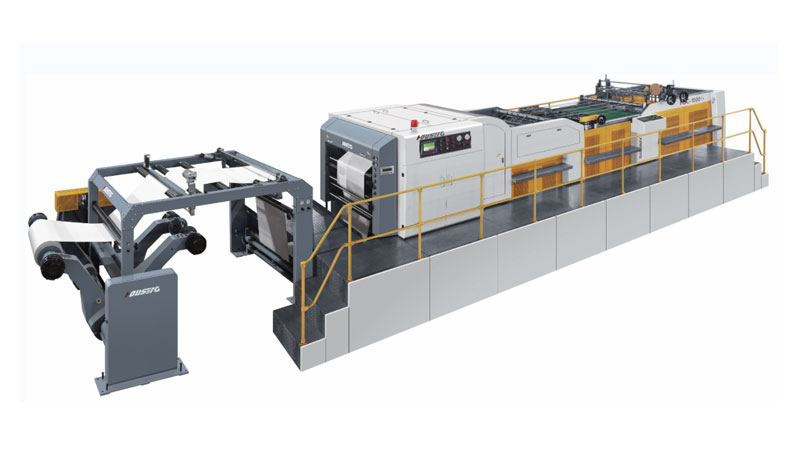
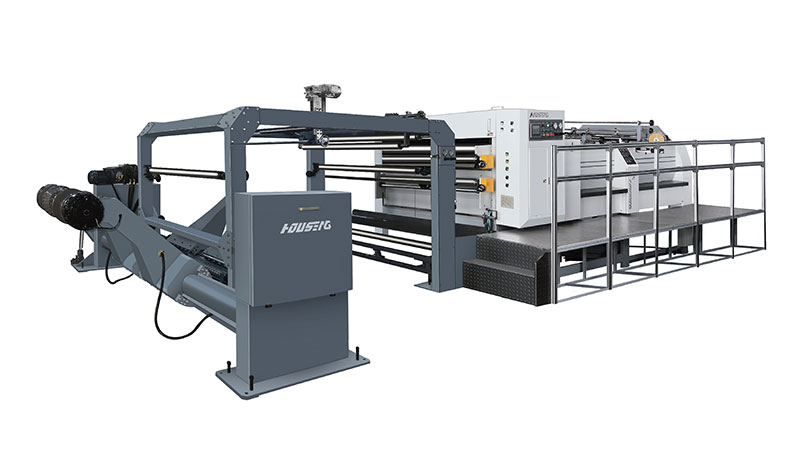
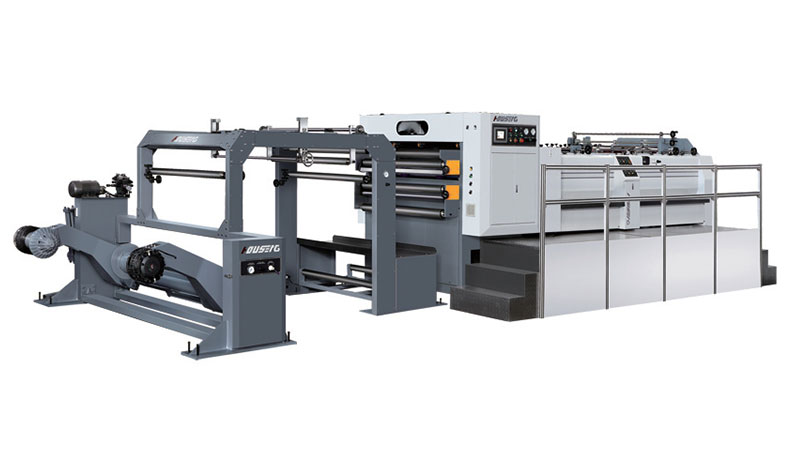
The maintenance programme described here is based on the mechanical design of a modern Intelligent Double Rotary Sheeter with Siemens PLC and Emerson servo drives, full‑width mesh belt with suction fans, material weighing, and stack height measurement. It is structured around the components that most directly affect cut quality and machine availability.
[Image: a technician inspecting the rotary knife section of a double rotary sheeter, with the safety guard open and the full‑width mesh belt visible in the background]
Daily Checks (Every Shift)
1. Inspect the knife edges. Run a gloved finger gently along the cutting edge of both the upper and lower helical knives at the start of every shift. Any roughness, burr, or nick that catches the fingernail means the blade needs attention. A sharp knife produces a clean, square edge with minimal dust; a dull knife tears the paper fibres, generates dust that clogs sensors, and increases the load on the servo drives.
2. Check the full‑width mesh belt and suction fans. The mesh belt transports sheets from the knife section to the stacker. Paper dust builds up on the belt surface and in the suction fan filters. Wipe the belt with a dry, lint‑free cloth and visually check that all suction fans are running. A blocked fan causes uneven belt suction, which can pull lightweight sheets off‑track at high speed.
3. Verify the static control system. Static electricity causes sheets to cling together or to the machine frame, disrupting the stacker alignment. The anti‑static rollers and ionising bars should be checked for dust accumulation and cleaned if necessary. A simple test is to observe the sheet stack: if sheets are consistently out of alignment on one side, static is a likely cause.
4. Record the production data from the material weighing and stack height measurement system. These figures provide a baseline. A gradual change in stack height for a given number of sheets can indicate a change in paper calliper or a developing issue with sheet overlap.
Weekly Checks
5. Clean and calibrate the sheet‑length sensor. The optical sensor that triggers the knife is the reference point for every sheet length. Dust on the lens causes erratic triggering and length errors. Wipe the lens with a lint‑free cloth and isopropyl alcohol, then run a calibration test using the machine's built‑in calibration routine. The measured length should be within the ±0.15 mm tolerance. If it drifts, adjust the correction factor in the Siemens PLC interface.
6. Lubricate all grease points. The knife drum bearings, the infeed nip roller bearings, and the stacker jogger mechanisms all require grease at intervals specified in the machine's lubrication chart. Use only the grease grade recommended by the manufacturer – typically a lithium‑based EP2 grease for bearings and a food‑grade grease for any point near the paper path. Over‑greasing is as damaging as under‑greasing because excess grease can push out bearing seals and attract dust.
7. Check the belt tension and tracking. The full‑width mesh belt stretches slightly over time. A loose belt can slip on the drive pulley, causing intermittent sheet transport problems. The tension should be checked with a belt tension gauge and adjusted to the manufacturer's specification. The belt tracking should also be observed at running speed; a belt that wanders to one side will eventually damage the belt edge and the machine frame.
For machines running the EXC series configuration, a double rotary sheeter with a full‑width mesh belt typically has accessible tensioning points and clear belt‑tracking marks that simplify this weekly check.
Monthly and Quarterly Checks
8. Sharpen or replace the rotary knives. The interval depends on the paper type. Abrasive boards such as recycled kraft or clay‑coated stock dull knives faster than uncoated wood‑free paper. A typical sharpening interval is every 400,000 to 600,000 linear metres, but the actual condition of the knife edge – checked daily – should determine the timing. When the knives are removed for grinding, clean the knife drum thoroughly and check the drum balance. An unbalanced drum creates vibration that feeds through the entire machine and accelerates bearing wear.
9. Inspect the electrical cabinet. The Siemens PLC and Emerson servo drives generate heat and rely on clean, filtered air for cooling. The cabinet air filters should be replaced or cleaned monthly. Check that all cable connections are tight and that there is no sign of overheating on the drive terminals. A loose connection on a servo drive can cause intermittent faults that are difficult to diagnose.
10. Drain the compressed air filter. The pneumatic systems on the sheeter – including the knife adjustment and the stacker air jets – rely on dry, clean compressed air. Water in the air lines causes erratic cylinder operation and can freeze in cold weather. Drain the filter bowl weekly, and replace the filter element quarterly.
11. Full calibration check. Once per quarter, run a full calibration sequence: verify the sheet length against a calibrated steel ruler, check the squareness of the cut with a carpenter's square, and measure the sheet‑to‑sheet consistency over a run of at least 100 consecutive sheets. Document the results and compare them to the previous quarter. A trend toward increasing variability indicates wear in the knife drum bearings or the infeed rollers.
Common Maintenance Mistakes
-
Running knives past their sharpening interval because "the cut still looks okay." The knife edge degrades gradually, and operators who see the machine every day may not notice the decline. The daily glove test and the weekly dust check provide objective evidence of knife condition.
-
Using any available grease instead of the specified grade. Mixing incompatible greases can cause the thickener to separate, leaving a bearing running in oil that leaks past the seal while the thickener hardens inside the bearing.
-
Ignoring the belt tension because the sheets are still stacking. A loose belt may still transport sheets, but it wears the pulley surface and will eventually fail at the splice. Belt replacement is far more expensive than belt adjustment.
-
Failing to log maintenance. A maintenance log that records knife changes, bearing replacements, calibration adjustments, and any unusual observations builds a history that predicts future needs. It also provides evidence of due diligence if a customer questions the sheet quality.
Building a Maintenance Programme
The tasks described above should be incorporated into a written maintenance schedule that assigns responsibility for each task and requires sign‑off upon completion. The schedule should be kept with the machine, and the maintenance log should be reviewed monthly by the production manager.
For operators specifying a new machine or upgrading an existing line, selecting a sheeter that includes detailed maintenance documentation and accessible service points makes it easier to establish and sustain a maintenance routine from day one. The EXC series, for example, is designed with easy access to the knife section, belt tensioners, and lubrication points specifically to reduce the time required for each task.
A double rotary sheeter is a precision machine that rewards consistent, documented maintenance with years of reliable, high‑speed operation. The daily, weekly, and monthly tasks described above address the components that most commonly cause downtime and quality defects. When the maintenance programme is followed, the machine holds its accuracy, produces clean sheets, and avoids the unplanned stoppages that disrupt production schedules and erode margins.