2026/05/22
In modern industrial printing and packaging environments, production efficiency is no longer defined only by machine speed. Instead, consistency, stability, and waste reduction have become the real benchmarks of performance.
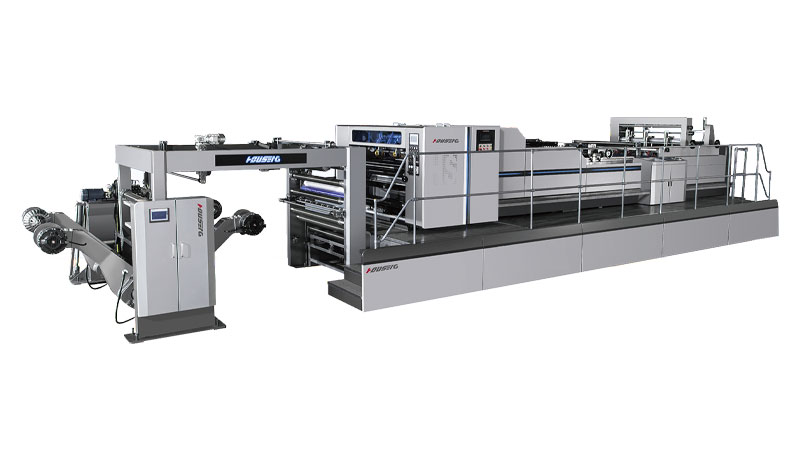
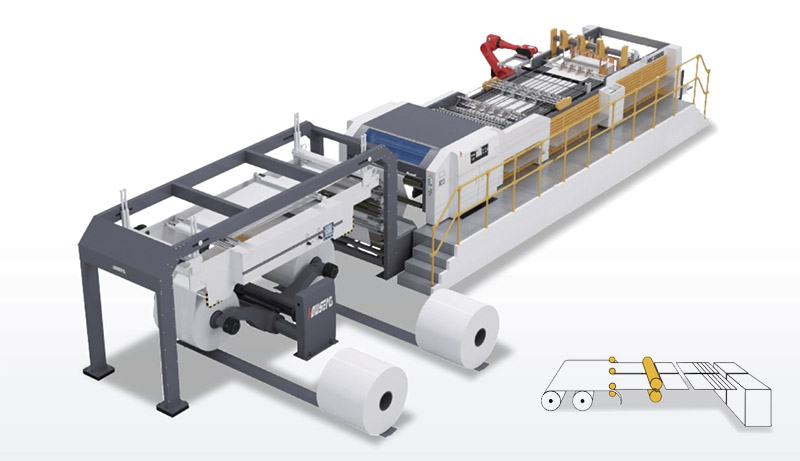
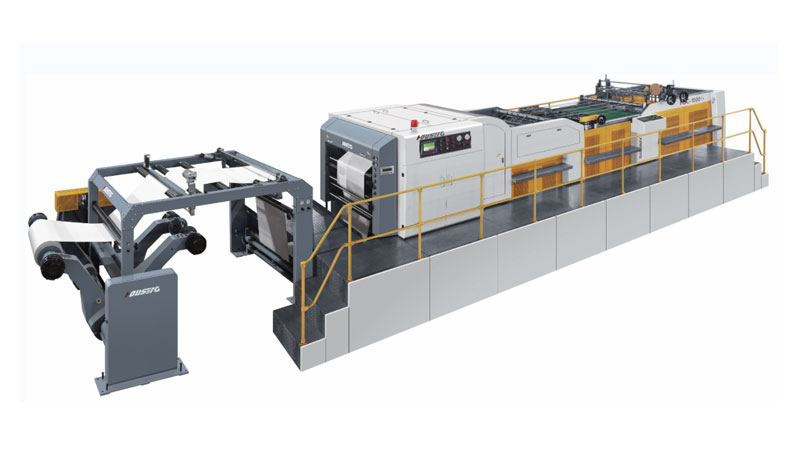
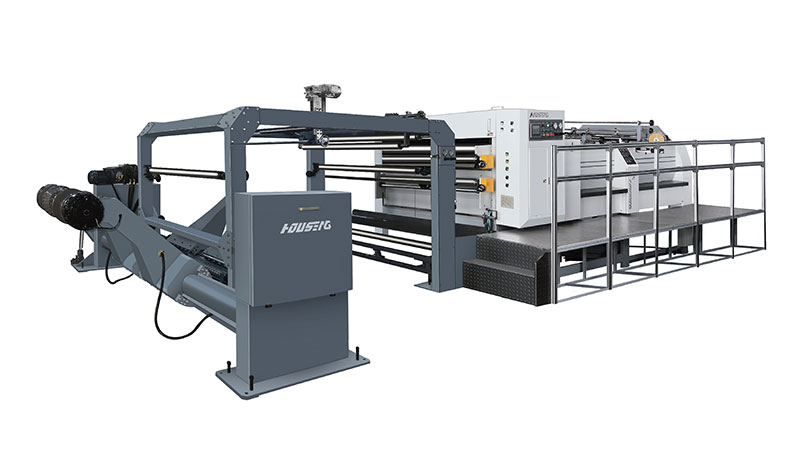
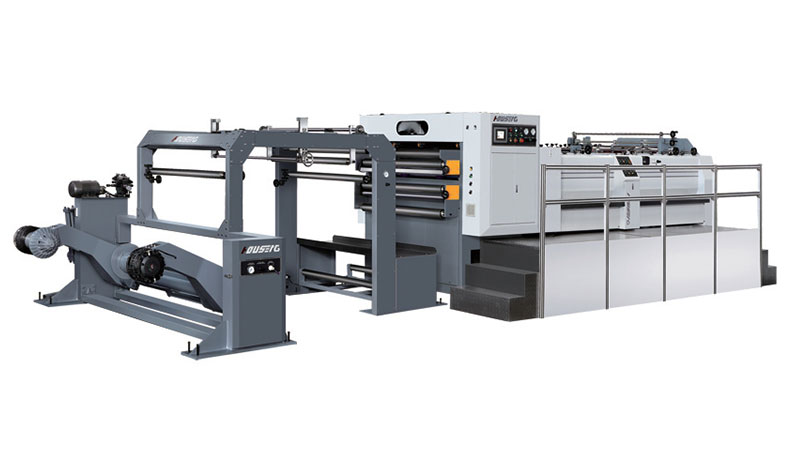
When production lines operate at high speed, even minor deviations in cutting precision can lead to large-scale material loss. This is why many manufacturers are shifting toward an automated paper cutting system for stable, high-speed production to maintain stability during continuous operation.
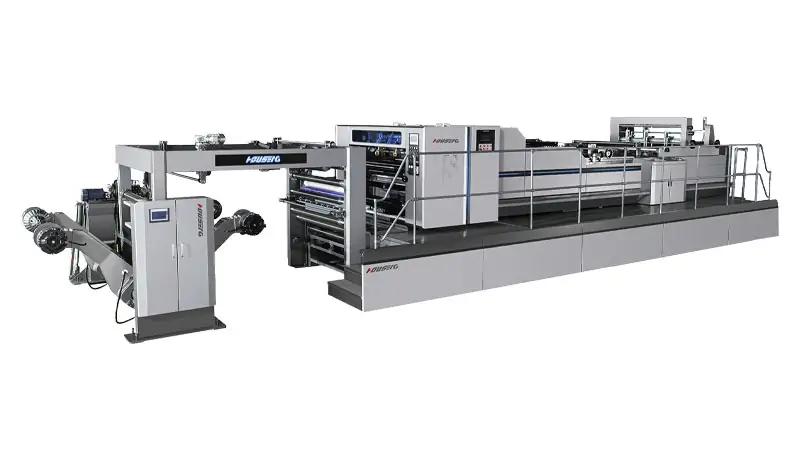
One of the most important improvements in modern systems is the synchronisation between feeding, cutting, and stacking modules. When these processes are tightly coordinated, production becomes smoother and more predictable, even during long production cycles.
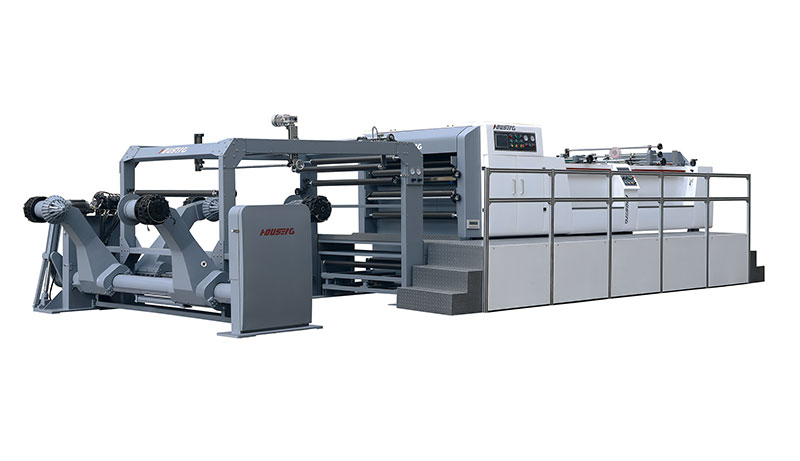
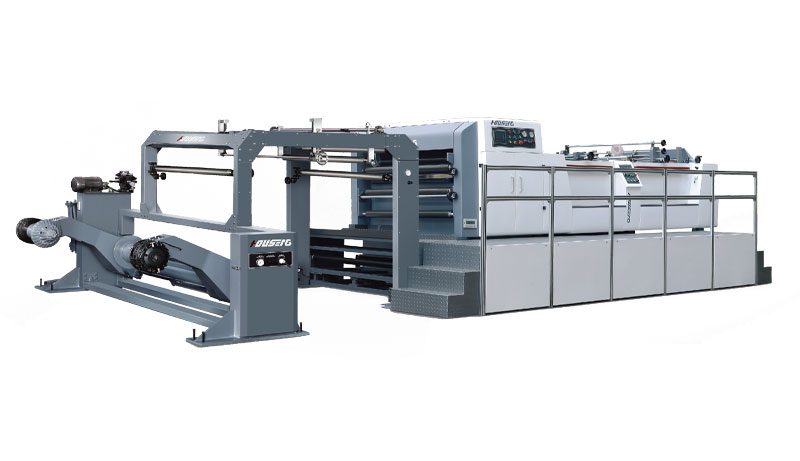
At this stage, many manufacturers begin exploring advanced rotary-based cutting solutions designed for continuous industrial workloads, especially when evaluating industrial paper processing optimisation solutions that reduce manual adjustment frequency while improving consistency across large production batches.
Key Operational Advantages in Real Manufacturing Environments
In practical applications, three improvements are most commonly observed after upgrading to automated cutting systems:
First, dimensional consistency improves significantly. Even during long production runs, sheet accuracy remains stable, reducing downstream rejection rates.
Second, operator intervention is minimised. Automation handles calibration and synchronisation, allowing operators to focus on monitoring rather than constant adjustment.
Many factories achieve better results by adopting high-efficiency production line integration strategies instead of relying on isolated machine upgrades.
Third, overall energy efficiency improves indirectly. Smoother mechanical motion reduces unnecessary system stress and wear.
These improvements collectively lead to lower operational costs and higher production predictability, especially in high-volume manufacturing environments.
Traditional Systems vs Automated Cutting Approaches
Traditional cutting systems rely heavily on manual calibration and periodic stopping for adjustment. This often results in inconsistency during long production cycles and higher material waste rates.
In contrast, modern automated systems integrate real-time feedback mechanisms that continuously adjust cutting precision without interrupting production flow.
For manufacturers upgrading legacy equipment, understanding system-level integration is essential rather than focusing only on speed improvements.
This shift reflects a broader industry trend from standalone machine performance to integrated production stability.
Industry Applications and Selection Considerations
Different industries require different levels of precision and stability. For example, packaging industries prioritise consistency in bulk output, while printing industries require high surface alignment accuracy.
When evaluating equipment, manufacturers typically consider:
• Material thickness variability
• Required production speed
• Maintenance accessibility
• Integration with upstream and downstream processes
These factors are often more important than raw speed alone.
At this stage, many production teams prefer exploring full-line solutions rather than isolated machines, ensuring smoother workflow integration across the entire production chain.
Long-Term Efficiency and Production Optimisation
Long-term efficiency depends not only on equipment capability but also on system stability, maintenance strategy, and production coordination.
Factories that adopt automated cutting systems often report improved output consistency and reduced downtime over extended production cycles.
Many companies at this stage move toward advanced production line configuration options from HaoSheng to further improve long-term operational stability.
Conclusion: The Shift Toward Smarter Production Systems
The industrial paper processing industry is rapidly evolving toward automation, integration, and data-driven optimisation. Manufacturers are no longer competing solely on speed but on stability, efficiency, and adaptability.
For companies seeking to upgrade production capability, exploring smarter system configurations from HaoSheng can be a practical step toward improving long-term performance.