2026/07/27
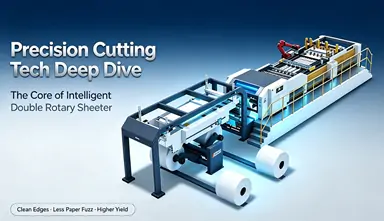
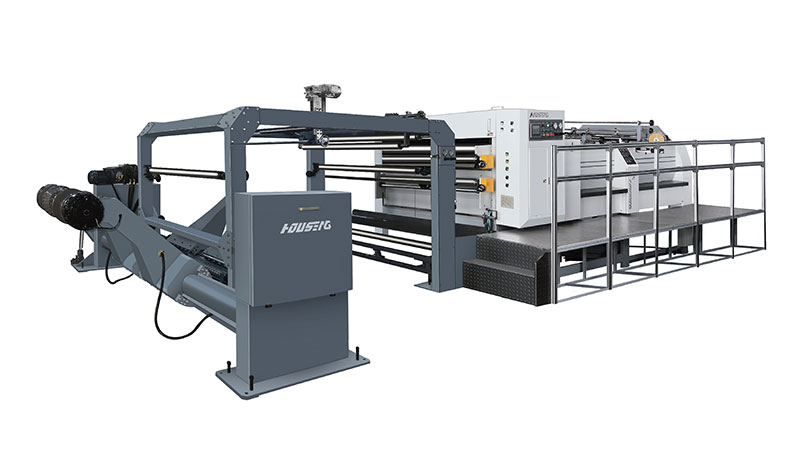
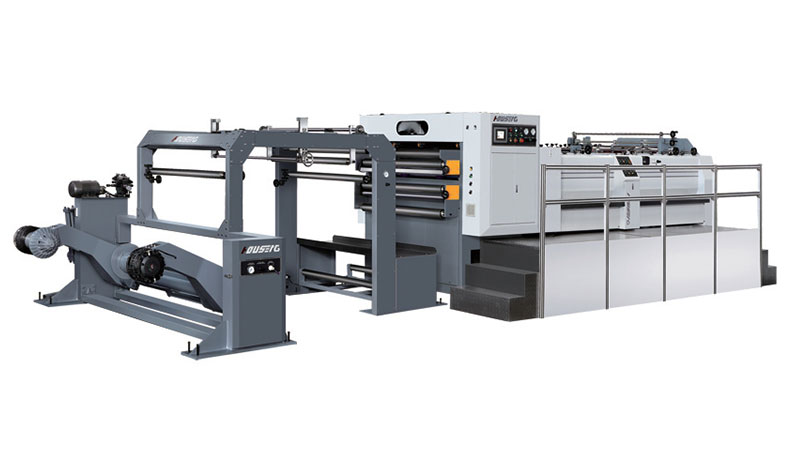
Precision in high‑volume paper sheeting starts with how the knives meet the web. Intelligent double rotary sheeters use synchronized twin‑knife rotation to shear paper cleanly – rather than chopping it – which dramatically reduces fiber tear and the paper fuzz that plagues many converting lines. According to HAOSHENG’s product overview, this design can increase net output by 150–200 sheets per ton of paper, simply by saving the material that conventional cutters waste as cutting seams. In this deep dive, we’ll explain the mechanical heart of that precision, what parameters matter most, and how to evaluate cutting technology for your own operation.
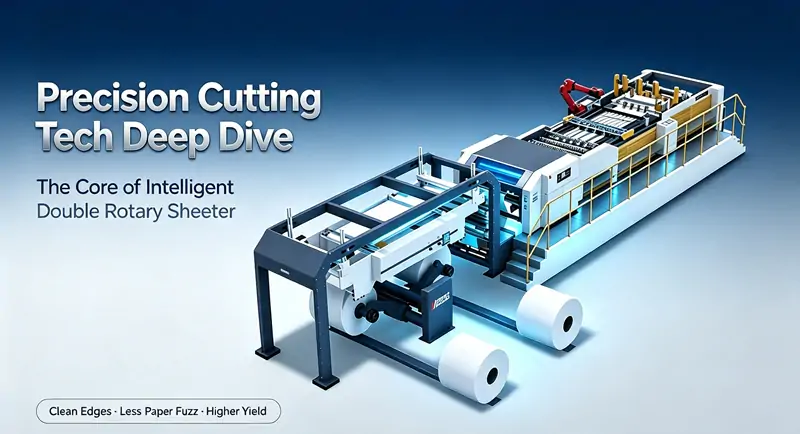
1. The Mechanical Core: Synchronized Twin‑Knife Rotation
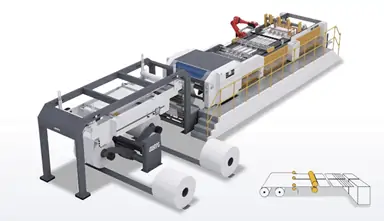
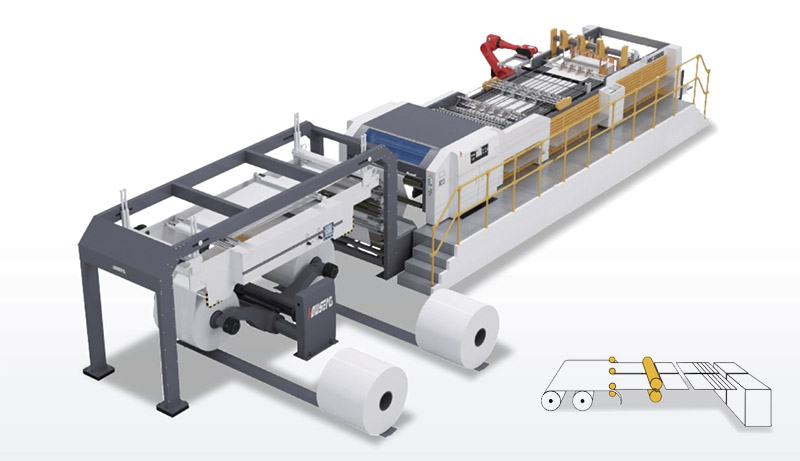
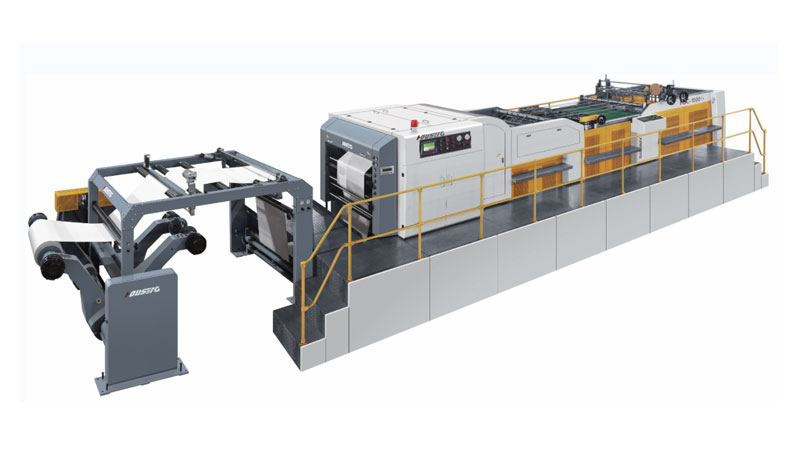
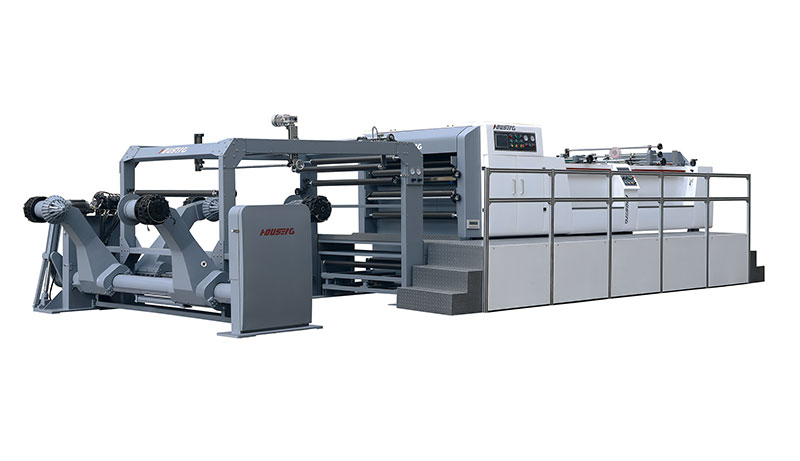
A double rotary sheeter uses two opposing helical knife drums that rotate in perfect sync. As the paper web passes between them, the knives engage progressively along a shear line, much like a pair of scissors. This shearing action cuts fibers cleanly instead of crushing or tearing them.
Single‑knife (fly‑knife) systems, by contrast, use a rotating blade striking against a fixed bed knife. That impact can compress the paper edge and generate micro‑dust – especially on coated or recycled grades. The rotary twin‑knife approach distributes the cutting force evenly, maintaining edge integrity even at high speeds.
Key takeaway: Precision isn’t just about sharp blades; it’s about how the cutting forces are delivered. A synchronized double‑rotary mechanism is inherently gentler on the sheet edge.
2. Why Precision Means More Saleable Sheets Per Ton
When a sheeter cuts imperfectly, two things happen:
• Paper fuzz / dust – contaminates downstream printing or packaging processes.
• Wider cutting seams – each trim wastes a sliver of paper. Across thousands of cuts, that adds up to kilograms of lost material.
The twin‑knife rotary design allows a very narrow, consistent cutting seam. The result, as noted in HAOSHENG’s machine description, can be 150–200 additional sheets per ton. While actual gains depend on paper grade, roll condition, and operating speed, the principle holds: a cleaner cut directly improves yield.
If you’re calculating return on investment, this yield gain often outweighs the initial equipment cost. For further details on configurations and how these numbers translate in real production, you can explore the intelligent double rotary sheeter specifications.
3. Key Parameters That Influence Cutting Accuracy
To maintain precision, operators and engineers should monitor several variables:
| Parameter | How It Affects Precision | Typical Adjustment Range / Notes |
|---|---|---|
| Knife clearance / gap | Too wide → ragged cut and fuzz. Too narrow → excessive knife wear. | Must be set according to paper thickness and grade; refer to machine manual. |
| Knife sharpness | Dull knives tear fibers, increasing dust and edge defects. | Regular inspection intervals depend on throughput and paper abrasiveness. |
| Draw / tension control | Inconsistent web tension causes sheet length variation and skewed cuts. | Maintain steady tension via dancer rolls or load cells. |
| Synchronization timing | Misalignment between top and bottom knife drums leads to uneven shear. | Servo‑driven systems self‑correct; mechanical drives require periodic phasing checks. |
| Paper grade & caliper | Heavier boards need wider clearance; lightweight papers need tighter control. | Always run test cuts when changing stock. |
All values are general guidance; the actual setup must be verified by a qualified technician based on the specific machine model and material.
4. How Does It Compare? Double Rotary vs. Single Spiral Sheeter
While a full comparison goes beyond this article, knowing the fundamental difference helps frame precision expectations:
• Double rotary sheeter – continuous rotary motion, ideal for high‑volume, high‑accuracy production with minimal dust. Well‑suited for demanding applications like cigarette packaging or fine art paper.
• Single spiral sheeter – often simpler mechanically, can still deliver good accuracy in many applications, but may generate more edge dust on certain stocks.
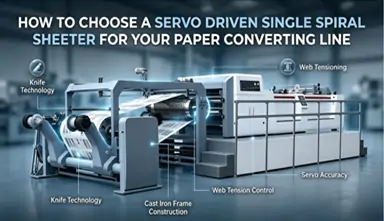
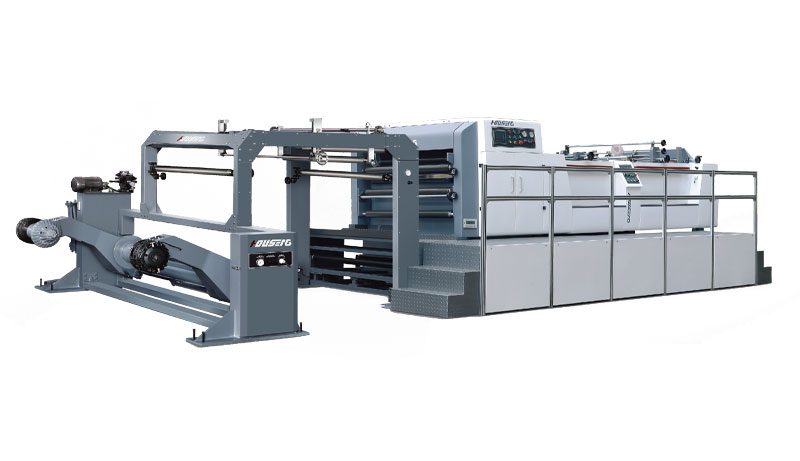
For a deeper look at which technology fits your production, compare the servo‑driven single spiral sheeter options or browse the industry application solutions to see real examples.
5. Maintenance Practices to Protect Long‑Term Precision
Even the most advanced sheeter will lose accuracy without proper care. Build these checks into your routine:
Daily / Shift Checklist
• Wipe knife drums and remove paper dust accumulation.
• Inspect cut edges visually for signs of fuzz or angle deviation.
• Verify web tension stability.
• Listen for unusual vibration or noise during operation.
Weekly / Periodic Checks
• Measure sheet squareness and length accuracy; compare with tolerance.
• Check knife bolt torque if accessible (follow safety lockout procedures).
• Lubricate bearings and drive components per OEM schedule.
• Inspect and clean sensors and servo feedback cables.
Long‑Term Actions
• Send knives for professional sharpening when cut quality degrades.
• Re‑align knife drums after any major maintenance.
Review historical production data to detect gradual accuracy drift.
Neglecting these steps is one of the most common reasons a formerly high‑precision machine begins to produce off‑spec sheets. For model‑specific maintenance intervals and video guidance, you can visit the operation guide video library.
6. Evaluating a Sheeter’s Precision Before You Buy
If you’re in the purchasing phase, don’t rely solely on catalogue claims. Consider the following:
• Request cut samples on your own paper grades – the same machine may behave differently on coated duplex board vs. lightweight offset.
• Ask about knife life and sharpening costs – precision has an ongoing operational cost.
• Check how the machine handles splices or roll changes – momentary tension loss can wreck precision.
• Inquire about after‑sales alignment support – rotary sheeters require skilled setup; remote or local service availability is important.
• Look at the drive system – servo‑driven synchronization typically offers more consistent accuracy over time than purely mechanical linkages.
Do not hesitate to contact HAOSHENG to discuss your material and production requirements and request a sample cutting test.
A precision cut edge with minimal fiber lift, characteristic of well‑adjusted twin‑knife sheeting.
7. Frequently Asked Questions
Q: Why does the double rotary design produce less paper dust than a single‑knife cutter?
A: The shearing action between two rotating knives slices fibers cleanly, whereas a single knife impacting a bed knife can crush fibers and generate airborne dust, especially on brittle or highly filled papers.
Q: Can I use an intelligent double rotary sheeter for all types of paper and board?
A: Generally, it handles a wide range – from lightweight Bible paper to heavy coated board – but knife clearance, bevel angle, and tension settings must be adjusted. Always verify with trial cuts when adding a new grade.
Q: How often should knives be sharpened?
A: It varies widely with paper abrasiveness, daily throughput, and knife material. Many operators inspect edges weekly and plan for regrinding when fuzz or burr becomes visible. The machine supplier can give a baseline recommendation.
Q: What’s the most common cause of sheet length variation?
A: Fluctuating web tension is the primary culprit. It can be caused by unwinding brake issues, worn rollers, or poor splice alignment. Secondarily, encoder or servo feedback faults may introduce length errors.
Q: Is a servo drive necessary for precision cutting?
A: While precision mechanical machines can perform well, servo drives actively maintain knife synchronization and quickly adapt to speed changes, which helps keep accuracy stable over long runs. It’s a significant factor to consider for demanding applications.
8. Conclusion
The core of precision cutting in an intelligent double rotary sheeter lies in synchronized twin‑knife shearing, which delivers clean edges, reduces paper fuzz, and saves material otherwise lost to wide cutting seams – a benefit cited as 150‑200 extra sheets per ton. Maintaining that precision depends on correct knife setup, consistent web tension, and disciplined maintenance.
For anyone evaluating new sheeting equipment or troubleshooting existing line quality, the key is to focus on the mechanical principle first, then verify with real paper tests. There’s no universal “best” setting; every parameter interacts with your specific paper and production goals.
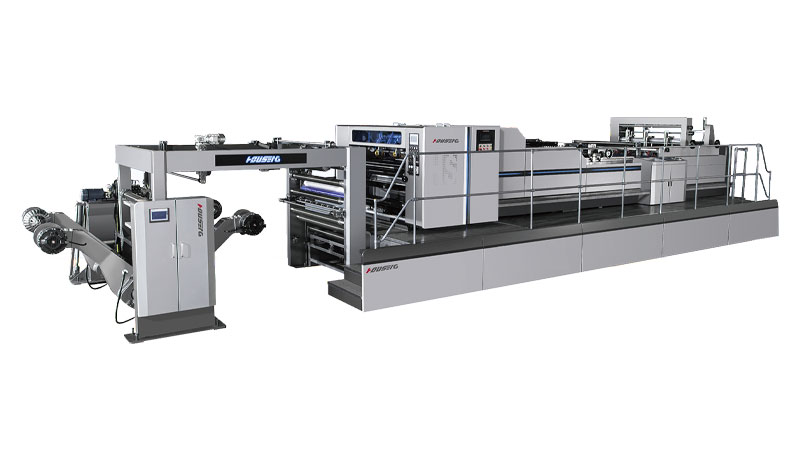
When you’re ready to see how these technical insights translate into actual machine configurations, review the intelligent double rotary sheeter line or explore HAOSHENG’s full product range to find the right fit for your operation.